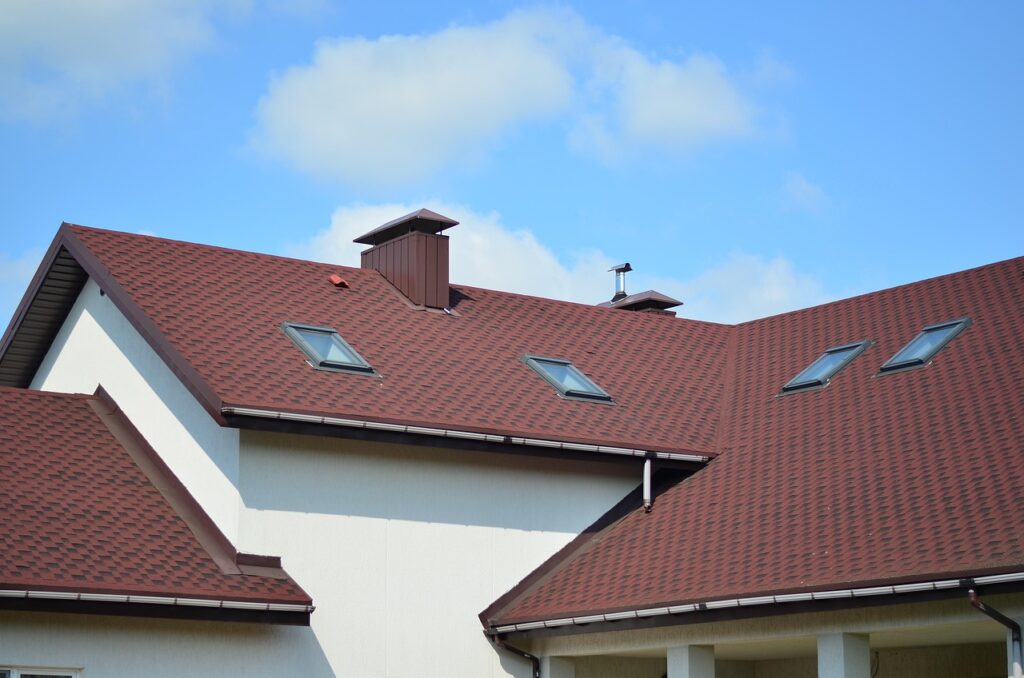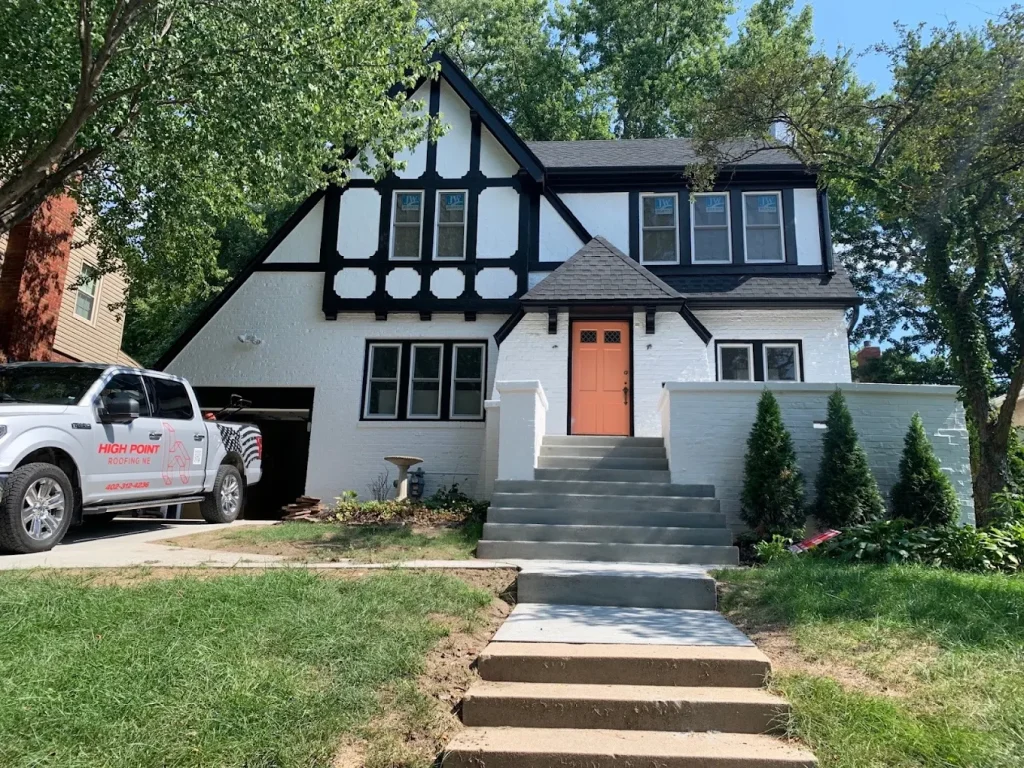
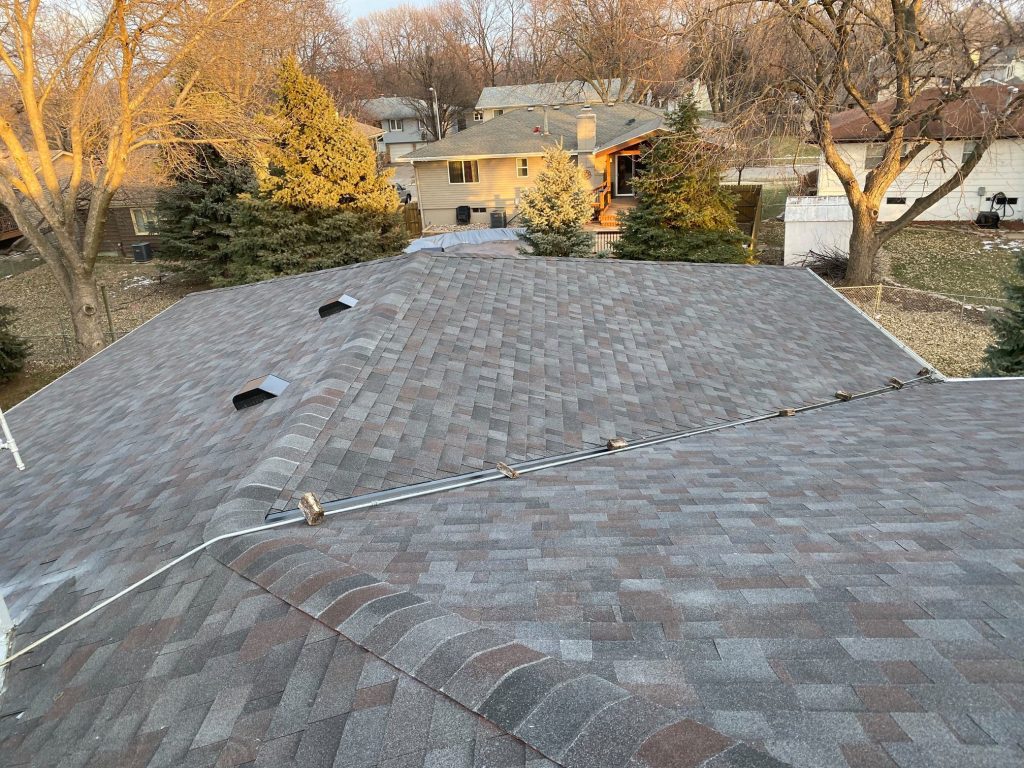
Hailstorms are common in Des Moines. However, many homeowners don’t realize their roof has been damaged until months later.
If you suspect hail damage roof repair in Des Moines IA may be needed, acting quickly can prevent leaks, mold growth, and structural damage.
Because hail impacts shingles at high velocity, even small storms can compromise your roof’s protective layer.
How Hail Damages Roofing Systems
Hail doesn’t always create obvious holes. Instead, it often causes hidden bruising and granule loss that weakens shingles over time.
Common hail damage includes:
-
Bruised or soft shingle spots
-
Granule loss exposing asphalt
-
Cracked or fractured shingles
-
Dented flashing and vents
-
Damaged gutters and downspouts
Although damage may not leak immediately, weakened shingles deteriorate faster under sun and rain exposure.
Signs You May Have Hail Damage
After a storm, inspect your property safely from the ground.
Look for:
-
Shingle granules collecting in gutters
-
Dents in metal roof components
-
Pieces of shingles on the ground
-
Water stains appearing weeks later
-
Neighbors replacing their roofs
If multiple homes nearby show repair activity, your property may also have damage.
Why Immediate Inspection Is Critical
Many homeowners delay inspections because there are no visible leaks. However, hail damage often shortens roof lifespan significantly.
Because Iowa experiences freeze-thaw cycles, small cracks expand during winter. As a result, minor hail bruising can turn into major leaks months later.
Early inspection provides:
-
Accurate damage documentation
-
Insurance claim support
-
Preventative repair recommendations
-
Peace of mind
Understanding the Insurance Claim Process
Filing a roof claim can feel overwhelming. However, the process becomes easier with professional guidance.
Typical steps include:
-
Schedule a professional inspection
-
Document visible damage with photos
-
Contact your insurance provider
-
Meet with the insurance adjuster
-
Review scope of work and coverage
Because insurance companies require evidence, professional documentation improves approval outcomes.
Repair or Full Replacement After Hail?
Not every hail-damaged roof requires full replacement. However, the decision depends on impact severity and roof age.
Repair may be sufficient if:
-
Damage is isolated
-
Roof is relatively new
-
Structural decking is intact
Replacement is often recommended if:
-
Damage is widespread
-
Shingles are brittle or aging
-
Multiple leaks have developed
-
Manufacturer warranty has been compromised
A professional assessment ensures long-term protection rather than temporary patchwork.
The Risk of Ignoring Hail Damage
Although your roof may appear fine, untreated hail damage leads to:
-
Premature shingle deterioration
-
Water intrusion
-
Mold growth
-
Rotting roof decking
-
Increased repair costs
Furthermore, delaying repairs may complicate insurance claims due to reporting timelines.
How to Protect Your Roof After a Storm
After hail impacts your area, take these proactive steps:
-
Visually inspect gutters and metal fixtures
-
Check attic for moisture or daylight penetration
-
Avoid climbing onto the roof yourself
-
Schedule a professional roofing inspection
Because roofing systems are layered structures, surface damage is not always visible without training.
Schedule a Hail Damage Roof Inspection in Des Moines
If your neighborhood recently experienced a hailstorm, don’t assume your roof is unaffected.
High Point Roofing NE provides professional hail damage roof repair in Des Moines IA, including inspections, documentation, and insurance coordination.
Call (402) 312-4236 or request an inspection online today.
Because storm damage often worsens over time, early evaluation protects your home and prevents costly structural repairs.